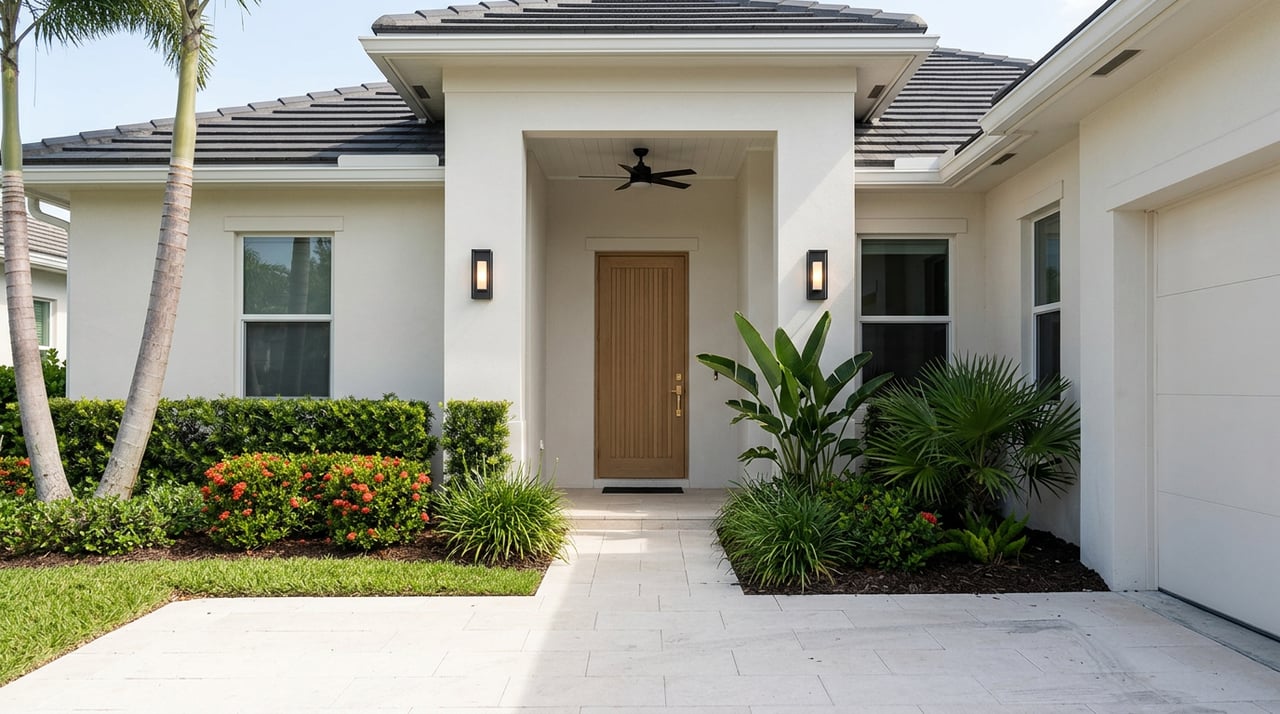
Is your front yard giving buyers the warm Winter Park welcome it deserves, or does it fade into the background online and from the street? You are not alone if you are unsure where to start. With a few style-smart, Florida-friendly updates, you can create curb appeal that photographs beautifully, holds up to our climate, and respects local character. In this guide, you will learn what works in Winter Park’s weather, which plants thrive, how to light your entry, and which quick wins move the needle before you list. Let’s dive in.
What works in Winter Park’s climate
Summer here runs hot and humid, and heavy afternoon downpours are common. Typical highs reach the low 90s in July, while winter days are mild in the 60s and 70s. You will also want landscapes that can handle short, intense rain events common to Central Florida’s wet season. You can see those temperature and rainfall norms in the Orlando Executive Airport dataset from climate records near Winter Park.
Plant hardiness matters too. Much of Winter Park now falls in USDA Zone 10a, with some pockets that act more like 9b due to shade or proximity to lakes. Before you select tender species, confirm your exact address on the USDA interactive Plant Hardiness Zone Map. Matching plants to microclimates sets you up for less maintenance, better survival, and a cleaner look year-round.
Honor local style and rules
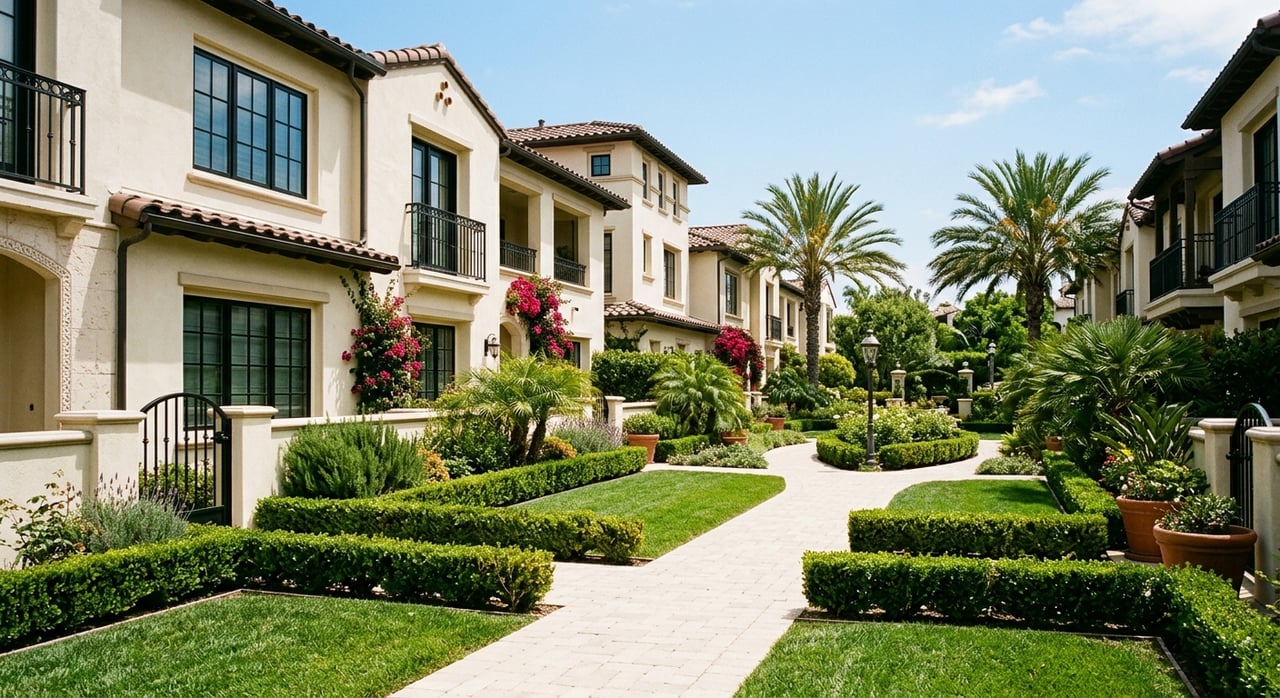
Winter Park’s charm comes from a thoughtful mix of Spanish and Mediterranean estates, historic bungalows, and clean contemporary homes. Local landmarks like Casa Feliz highlight how warm stucco, clay tile, and restrained, formal planting work together in Spanish-eclectic design. For inspiration, browse the story and images of Casa Feliz, a beloved Winter Park example to see how architecture guides materials and color.
If your home is in a designated historic district or is a designated historic property, exterior changes that are visible from the street can require review. The City’s Historic Preservation program outlines when a Certificate of Review is needed and how to stay compliant. If you plan visible changes, start with the City of Winter Park Historic Preservation guidance and also check any HOA covenants.
Style cues by home type
- Spanish or Mediterranean: Lean into warm neutrals, textured stucco, and low, sculptural plant forms. Keep planting formal near the entry and use terracotta or bronze details for hardware and lighting.
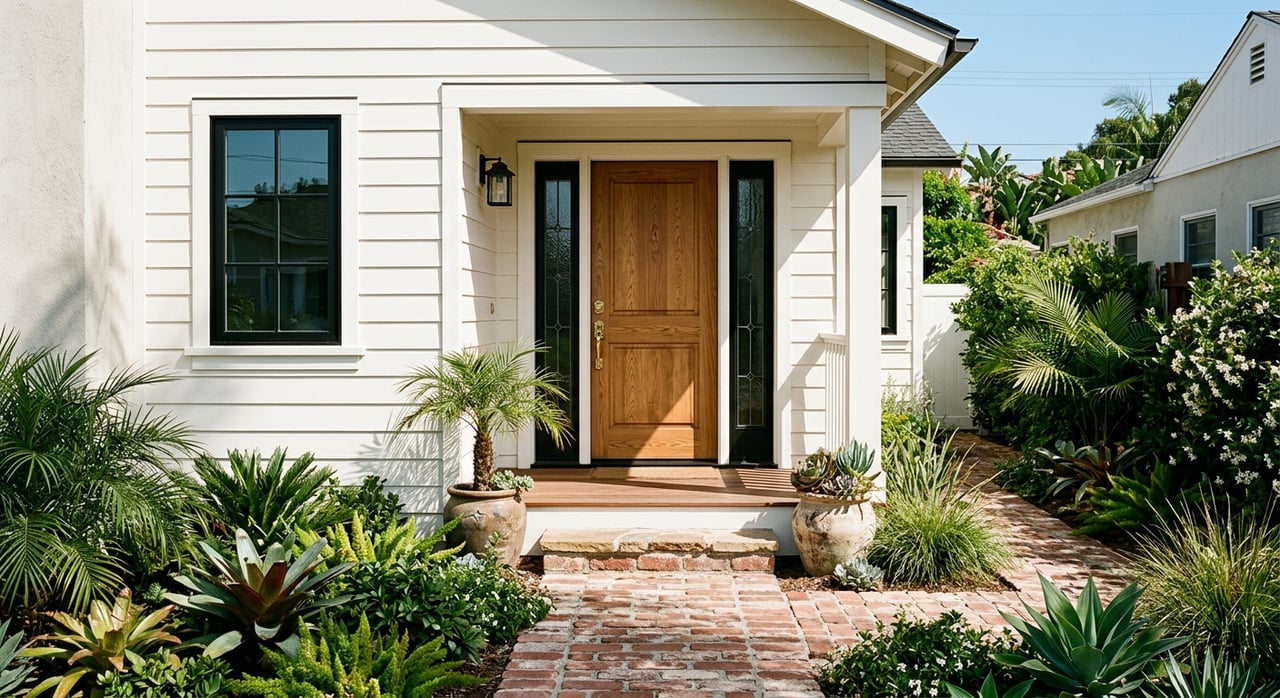
- Craftsman or bungalow: Emphasize a welcoming porch with layered, low foundation plantings. Choose deeper, muted paint tones with crisp trim and natural wood accents.
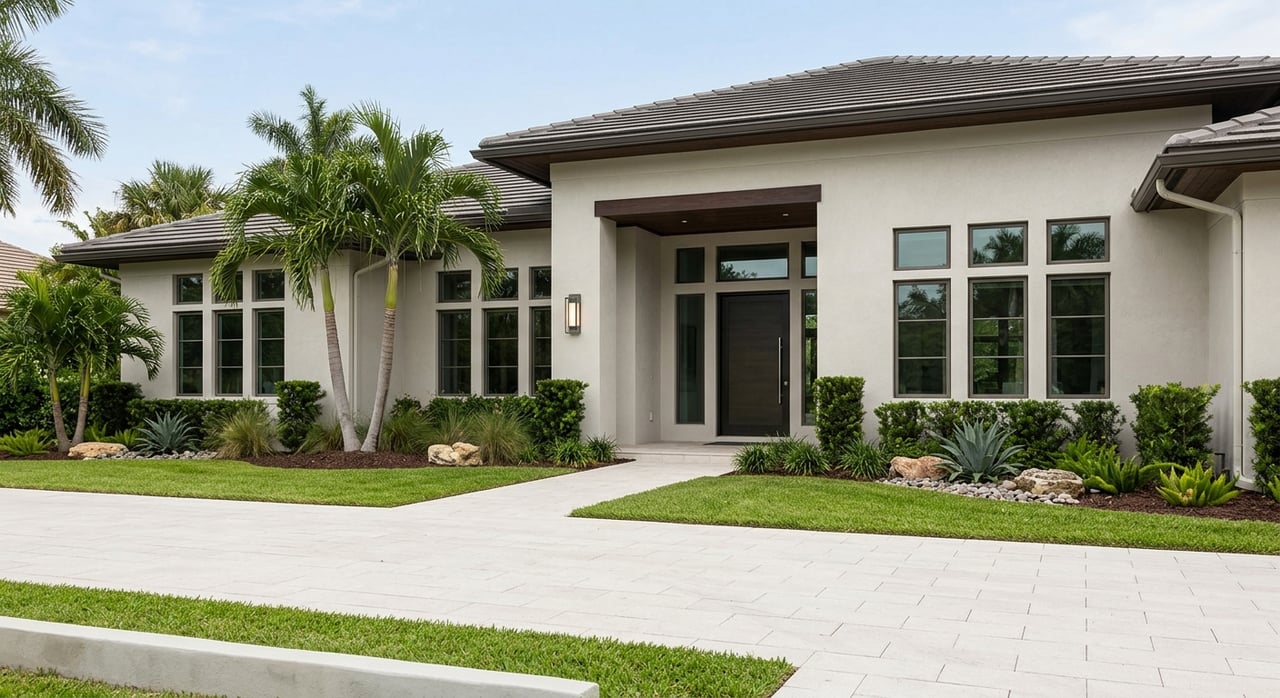
- Contemporary: Keep the palette light and simple with one strong accent at the front door. Pair clean hedge lines, ornamental grasses, and subtle, low-glare lighting.
Florida-Friendly plant picks that thrive
The Florida-Friendly Landscaping program’s core idea is simple and powerful: right plant, right place. When you match sun, shade, and soil to the plant’s needs, you save water and reduce fertilizer, all while getting a tidy, resilient look. For a broad, searchable list that fits Central Florida, use the UF/IFAS Florida-Friendly Landscaping plant selection guide.
Foundation structure that looks great year-round
- Coontie: This native cycad is a low, evergreen workhorse for front beds, especially in part sun or shade. It delivers a clean, architectural look that reads well in listing photos and requires little once established. Learn more from UF/IFAS on coontie’s size and care.
- Low hedges and groundcovers: Use clipped, scale-appropriate hedges to define lines along walks and drives. Fill gaps with groundcovers from Florida-Friendly lists to reduce weeds and keep mulch neat.
Color that loves the heat and invites pollinators
- Firebush: A native favorite for sunny spots, firebush brings months of color and supports pollinators with minimal fuss. It is a strong accent beside mailboxes or in mixed shrub borders. See UF/IFAS details on firebush growth and maintenance.
- Seasonal textures: In fall and winter, ornamental grasses recommended for Central Florida add movement and light-catching plumes. Choose cultivars that fit your sun and moisture conditions.
Palms and sculptural accents
A single, well-placed palm can frame the facade and signal Central Florida style. Keep scale in mind so the mature height and canopy fit your approach and do not overwhelm the entry. Use palms as focal points, not as clutter.
When to plant and how to establish
Many shrubs and trees do best when planted from fall through spring so roots can establish before summer heat. Mulch beds 2 to 3 inches deep to retain moisture and moderate soil temperature, and avoid piling mulch against the trunk. For species-specific timing and care tips, tap the Florida-Friendly Landscaping plant guide.
Front entry upgrades with maximum impact
Your front door and porch set the tone in photos and in person. A fresh coat of paint that complements your roof and facade materials goes a long way. Swap weathered handles, knockers, and house numbers for clean, modern hardware that fits your home’s style and scale.
Porch staging should feel simple and intentional. Add two statement planters that flank the entry, keeping them proportional to your door and ceiling height. Choose Florida-friendly annuals or perennials that will hold color through your listing period.
Lighting that flatters and keeps nights calm
Great outdoor lighting makes your home feel safe and welcoming without glare. Warm white LEDs at or below 3000 K tend to flatter building materials and reduce blue-rich light, which can contribute to skyglow. The International Dark-Sky Association provides guidance on color temperature and shielding; learn more about night-friendly lighting choices.
Where and how to place light
- Layer your approach: Use porch sconces or a pendant by the door, low path lights at steps or grade changes, and a discreet accent on a specimen tree if desired. Aim fixtures so light does not spill into neighbors’ windows.
- Size the output: Path and step lights only need modest lumens to provide safe footing. A porch may need 600 to 1,200 lumens depending on size, but keep glare in check with shields or diffusers.
Safety and ratings you should know
Outdoor fixtures must match their exposure. Use damp-rated fixtures on covered porches and wet-location fixtures where rain can reach them directly. For a quick primer on UL and IP ratings, see this overview of wet and damp listings for outdoor fixtures. Always match bulbs to the fixture’s rating, choose energy-efficient LEDs, and follow local electrical codes.
Hardscape, drainage, and storm-smart design
Short, heavy rain events are part of Central Florida life, so curb appeal needs to work with water, not against it. Designs that let water soak in and flow away from the foundation last longer and look better. The local climate data supports planning for intense summer storms, so avoid flat areas that pond water and make sure downspouts have a clear outlet. You can review regional norms in Orlando climate summaries.
Green stormwater approaches can be simple and attractive. Permeable pavers, rock swales, and small rain gardens slow runoff and reduce erosion. For plant lists and layout principles tailored to Florida, the Florida-Friendly Landscaping resources are a strong starting point.
A quick storm-smart checklist:
- Confirm slope carries water away from the house.
- Clear gutters and extend downspouts to a safe discharge point or a small rain garden.
- Choose materials that stand up to humidity and pests, such as treated wood, composites, masonry, and stainless fasteners.
- Avoid planting large trees too close to the foundation or driveway.
Quick curb appeal wins before you list
If you need fast results for photos and showings, start with impact per dollar.
- Power-wash drives, walks, and the front entry to remove algae and stains.
- Edge and mulch beds, and remove dead or messy plant material.
- Repaint or refinish the front door, and replace mismatched hardware or numbers.
- Update porch lighting to a warm, matching set and add a coordinated doormat.
- Place two scale-appropriate planters to frame the entry with Florida-friendly color.
Open house and listing prep guides consistently highlight these steps as high-impact and budget friendly, which is why they are a staple of professional staging plans. You can see similar advice in the National Association of Realtors’ field guide for open houses.
A simple 30-day curb appeal plan
Week 1: Walk the property and make a punch list. Note repairs, power-wash needs, paint touch-ups, and any drainage issues. Confirm your address on the USDA hardiness map and gather plant ideas from the Florida-Friendly guide.
Week 2: Refresh the entry. Paint the door, replace hardware and numbers, and install warm, shielded porch lighting. Add a doormat and two planters using coontie, firebush, or other recommended species that fit your sun and shade.
Week 3: Tidy and define. Edge beds, mulch 2 to 3 inches deep, and trim hedges for clean lines. Repair or replace any cracked pavers that disrupt the approach.
Week 4: Fine-tune for photos. Stage the porch with simple, neutral seating if space allows. Set timers for exterior lights, clean windows, and touch up paint where needed.
Work within historic districts
If you live within a locally designated district or own a designated historic property, connect with city staff early to avoid delays. Even small changes to the front facade, porch configuration, or visible materials can require review. Start at the City of Winter Park Historic Preservation page for maps, process, and staff contacts. When in doubt, ask before you buy materials or book installers.
Partner with a local, design-led pro
Curb appeal is where preparation meets presentation. If you want help planning a Florida-friendly plant palette, coordinating fresh paint and lighting, or managing vendors on a tight timeline, you do not have to go it alone. With design-forward staging and a trusted contractor network, you can move from punch list to polished photos without the stress.
If you are getting ready to sell or you simply want a curb appeal consult, reach out to Deborah Skyy Saleem for a friendly walkthrough, local vendor referrals, and a plan tailored to your Winter Park home.
FAQs
Do I need city approval for visible changes in Winter Park?
- If your home is in a designated historic district or is a designated property, certain exterior changes may require a Certificate of Review. Start with the City’s Historic Preservation guidance and check HOA rules.
What plants are best for low-maintenance curb appeal in Central Florida?
- Follow Florida-Friendly principles and pick regionally adapted species. The UF/IFAS Florida-Friendly plant selection guide and species pages like coontie are practical starting points.
When should I plant new shrubs or trees in Winter Park?
- Many Florida-adapted plants establish best from fall through spring. Check the UF/IFAS Florida-Friendly guide and individual species sheets for timing and care.
What outdoor lighting color temperature looks best on Florida homes?
- Warm white LEDs at or below 3000 K create a welcoming glow and reduce blue-rich light. See the International Dark-Sky Association’s guidance on color temperature.
How do I know if a porch light is safe for outdoor use?
- Match the rating to the location: damp-rated for covered porches and wet-listed for exposed areas. For a simple primer on ratings, read this overview of wet and damp fixture listings.