Wondering which Orlando neighborhood will actually fit your day-to-day life, not just your wish list? That is a smart question, because Orlando can feel very different from one area to the next. If you are trying to picture your routine before you move, this guide will help you compare the city’s major neighborhood clusters and understand what everyday life may feel like in each one. Let’s dive in.
Orlando Life Starts With Routine
One of the biggest surprises for many buyers is that Orlando does not have one single lifestyle pattern. Across the city, daily life is shaped by a mix of driving, parks, trails, and a few more walkable districts. The City of Orlando reports more than 148 parks and recreation areas, more than 40 miles of trail network, and more than 300 miles of urban bicycling trails, signed routes, and lanes.
Transit is part of the picture too, but it depends on where you live. LYNX serves Orlando and nearby counties, SunRail runs Monday through Friday with four stations in the City of Orlando, and LYMMO offers a free downtown circulator seven days a week. In practical terms, many households still rely on a car, especially outside the urban core.
That citywide rhythm matters when you are choosing a neighborhood. Some places support short walks for coffee, dinner, or a park loop. Others are more centered on planned community spaces, trails, and driving between destinations.
Downtown Orlando Feels Urban
If you want a neighborhood where activity is part of the backdrop, downtown Orlando and the nearby historic districts often stand out. This part of the city tends to feel older, more urban, and more event-driven than many other Orlando neighborhoods. Your days may include skyline views, nearby restaurants, and public spaces that naturally pull people out of the house.
Lake Eola Shapes Daily Life
Lake Eola Park is one of the clearest examples of how downtown living works. The park includes a 0.9-mile loop, swan boats, an amphitheater, flower beds, and skyline views, all surrounded by restaurants and downtown activity. For many people, that means a quick evening walk or a weekend loop can become part of the routine.
This kind of neighborhood can feel convenient if you enjoy being close to events and public spaces. It can also feel more active and fast-paced than other parts of Orlando. If your ideal day includes stepping outside and having something to do nearby, this cluster may appeal to you.
Thornton Park And South Of Downtown Feel Historic
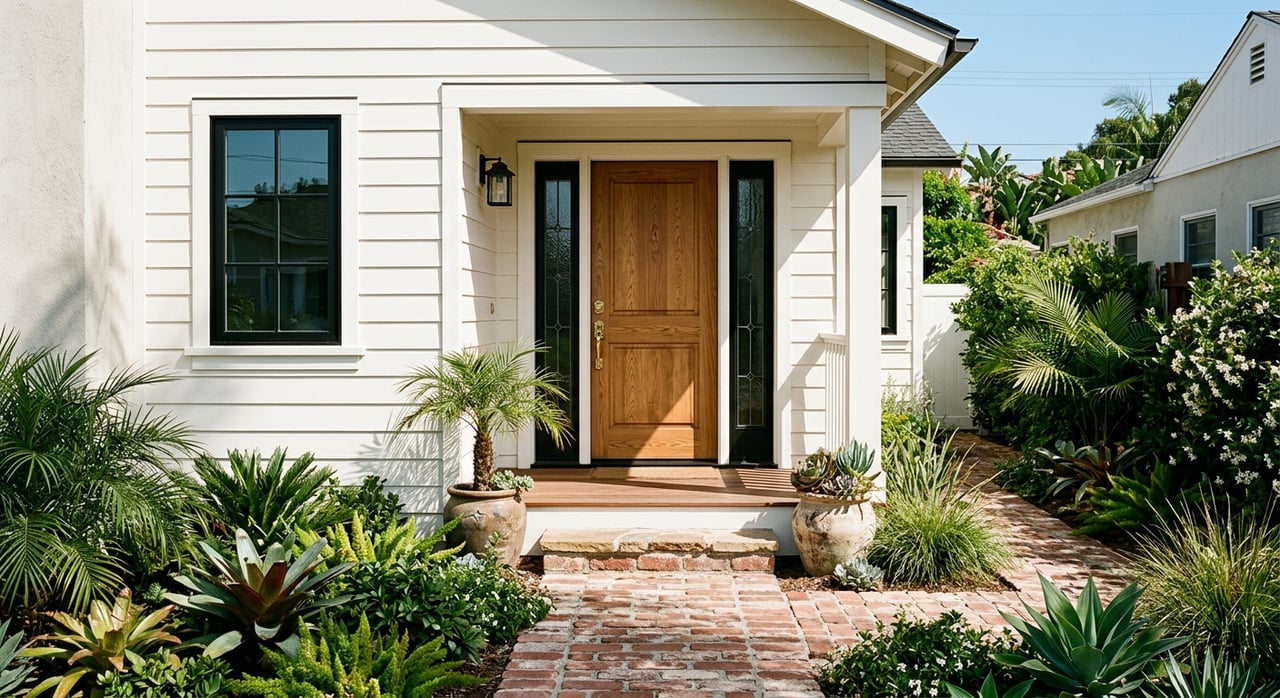
Thornton Park is known for brick-lined streets, which gives it a distinct visual character compared with newer parts of the city. Just south of downtown, areas like Lake Lawsona and Lake Copeland include older homes in styles such as Colonial, Mediterranean, Tudor, Craftsman, and Minimal Traditional. These built-environment details can shape how a neighborhood feels before you even walk inside a home.
In everyday life, these areas often blend urban access with historic character. You may notice shorter blocks, more established trees, and homes with architectural variety. For buyers who care about charm and an older Orlando feel, this cluster often offers that experience.
College Park And Nearby Districts Feel Local
If downtown feels a little too busy, Orlando has several neighborhoods that offer a more local, social rhythm. College Park, Audubon Park, Ivanhoe Village, and Mills 50 are strong examples of areas where everyday life is closely tied to neighborhood businesses, cafes, restaurants, and community events. These places often feel more personal and less corporate in their daily flow.
College Park Blends Urban And Small Town
College Park Main Street describes the area as having bungalow-style homes, brick tree-lined streets, parks, and lakes, with an urban-living-with-small-town-feel atmosphere. That combination helps explain why so many people describe the area as easy to settle into. You may find that your routine revolves around a familiar strip of local businesses rather than larger commercial centers.
The visual cues also matter here. Bungalow-style homes, mature trees, and neighborhood parks can make daily life feel grounded and established. If you want a setting that feels connected and relaxed while still being close to city amenities, College Park often fits that description.
Audubon Park And Ivanhoe Village Feel Social
Audubon Park Garden District is built around creativity, sustainability, shops, cafes, restaurants, and events that happen nearly every week of the year. That creates a neighborhood rhythm that feels social and active without being fully urban in the downtown sense. The area is also associated with mid-century charm, which adds another layer to its identity.
Ivanhoe Village has a different flavor, but a similar everyday convenience. With Lake Ivanhoe, antique stores, restaurants, creative studios, outdoor dining, and smaller storefronts, it tends to feel compact and easy to browse on foot. If you like neighborhoods where you can casually stop somewhere on the way home, Ivanhoe Village often delivers that experience.
Mills 50 Feels Food Forward
Mills 50 stands out for its concentration of locally owned businesses and its strong restaurant scene. The City notes that it has more Michelin-recognized restaurants than any other Orlando neighborhood. That gives the area a strong identity for people who enjoy trying new places and making dining part of their weekly routine.
Nearby Colonialtown South, linked by the City to the Milk District, is described as a cultural hub with music, arts, trendy shops, and unique restaurants. Together, these neighborhoods often feel energetic, creative, and highly local. For buyers who want errands, dining, and social outings to feel woven into daily life, this cluster is worth a closer look.
Baldwin Park And Lake Nona Feel Planned
Some buyers are not looking for historic character or a busy urban core. They want something newer, more structured, and organized around parks, trails, and mixed-use planning. In Orlando, Baldwin Park and Lake Nona are two of the clearest examples of that lifestyle.
Baldwin Park Feels Park And Trail Oriented
Baldwin Park is a large mixed-use redevelopment of the former Orlando Naval Training Center. The City describes round lakes, wetland plantings, extensive park systems, and well-designed streets as central to the neighborhood. Residential guidelines also emphasize porches, setbacks, and a mix of attached and detached housing forms, which helps create a more controlled pedestrian pattern.
That planning shows up in daily life. Instead of a neighborhood growing in pieces over many decades, Baldwin Park often feels more intentionally laid out. If you value orderly streetscapes, public green space, and a stronger park-and-trail rhythm, this area may feel like a natural fit.
Cady Way Trail also supports that lifestyle. It is one of the City’s most heavily used trails on weekends and early evenings, which reinforces the idea that outdoor movement is part of the neighborhood’s routine. For many buyers, that is a meaningful quality-of-life feature.
Lake Nona Feels Newer And Amenity Centered
Lake Nona reflects another side of modern Orlando living. Planning materials describe it as a large-scale mixed-use community that is evolving toward a more walkable live-work landscape with parks, public areas, and events. The area includes Lake Nona, Medical City, East Park, and other neighborhoods within the southeast sector.
In practical terms, daily life here often revolves around master-planned nodes and community programming. Events at Lake Nona Town Center, including the City’s Great American Block Party, help show how public spaces are used to shape neighborhood identity. The Orlando Southeast Trail also runs through Lake Nona-area neighborhoods and is mostly off-street, moving through suburban and rural landscapes.
If you are drawn to newer housing patterns, planned public spaces, and a neighborhood feel anchored by amenities, Lake Nona may be the clearest example in Orlando. It often appeals to buyers who want a modern setting with a growing live-work feel.
What Housing Style Tells You
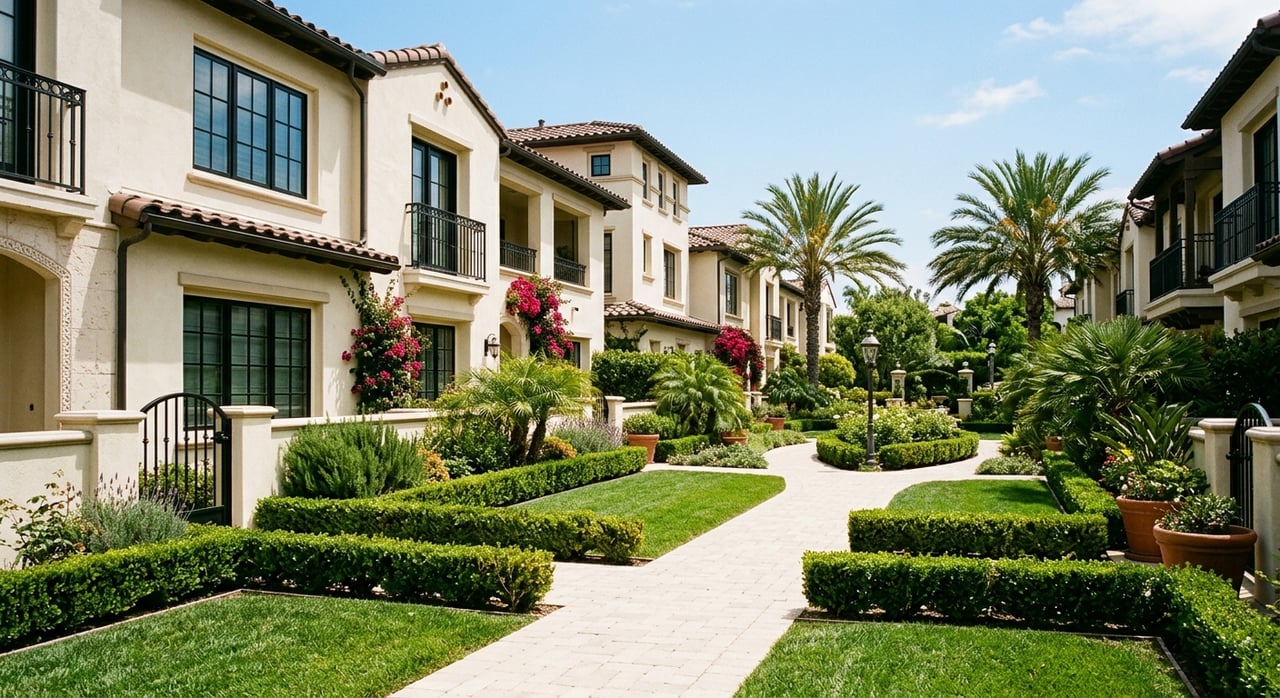
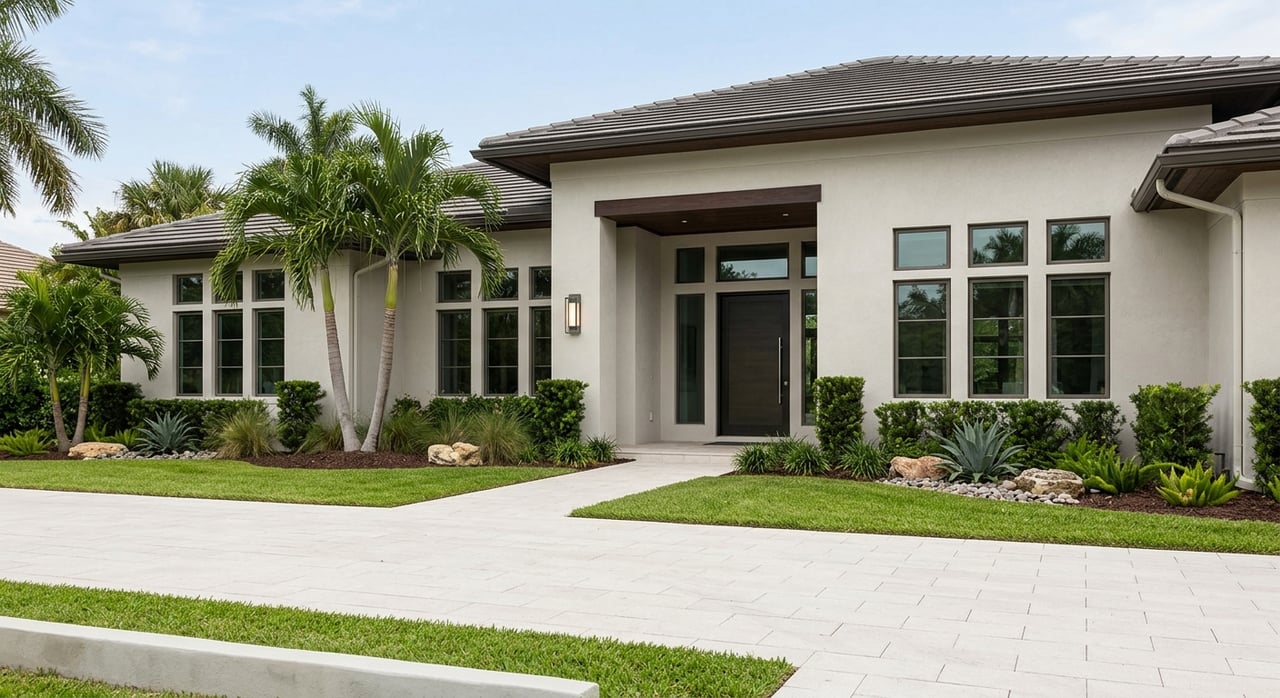
In Orlando, the look of the homes and streets often gives you a quick clue about how the neighborhood functions. Older inner-city neighborhoods usually show more bungalow and revival-era architecture. Newer planned areas lean more toward townhomes, detached homes, and mixed-use districts.
As you tour homes, pay attention to simple curbside signals:
- Porches
- Lot depth
- Street trees
- Block layout
- Whether social life seems centered on a main street, a park loop, or a town center
Those details can tell you a lot about the neighborhood beyond square footage or finishes. They can also help you decide whether a place matches your routine, whether that means morning walks, local dining, or easier access to trails and green space.
How To Choose The Right Fit
The best Orlando neighborhood for you depends less on labels and more on how you actually want to live. If you want an urban setting with events, public spaces, and historic character, downtown, Thornton Park, Lake Eola, and the nearby historic districts may feel right. If you want local businesses and a more social neighborhood rhythm, College Park, Audubon Park, Ivanhoe Village, and Mills 50 may be stronger matches.
If your priority is newer planning, outdoor amenities, and a more structured layout, Baldwin Park and Lake Nona may rise to the top. None of these choices is universally better than another. The goal is to match the setting to your habits, priorities, and pace.
That is also where a local, neighborhood-focused home search can make a real difference. When you understand how an area feels on a Tuesday evening, not just on a Saturday showing, you make a more confident move.
If you are thinking about buying or selling in Orlando, working with someone who understands both neighborhood feel and property presentation can help you make smarter decisions. Whether you need guidance comparing communities, preparing a home for the market, or building a focused search, Deborah Skyy Saleem brings a warm, practical approach to every step.
FAQs
Which Orlando neighborhoods feel most walkable for everyday life?
- Downtown, Thornton Park, Lake Eola, Ivanhoe Village, Audubon Park, and parts of College Park are the strongest examples based on the City’s district descriptions.
Which Orlando areas feel most focused on parks and trails?
- Baldwin Park, Lake Nona, and the southeast trail network stand out, and Cady Way Trail is one of the City’s most heavily used trails on weekends and early evenings.
Which Orlando neighborhoods have older homes and historic character?
- The historic core south of downtown, along with College Park and nearby historic districts, has Orlando’s strongest concentration of bungalows and revival-era architecture.
Which Orlando neighborhoods feel newest and most master planned?
- Baldwin Park and Lake Nona are the clearest examples of planned, mixed-use neighborhoods with newer housing patterns and programmed public spaces.
How can you tell what daily life in an Orlando neighborhood might feel like?
- Look at the street pattern, home styles, porch presence, lot depth, street trees, and whether neighborhood activity seems centered on a main street, a park loop, or a town center.