Thinking about selling your DeLand home in early 2026 and wondering if January or March will set you up for a better result? You are not alone. Timing can shape how many buyers you reach, how your home stacks up against the competition, and how smoothly you close. In this guide, you will see how DeLand’s winter-to-spring market behaves, what changes between January and March, and how to plan your prep so you launch with confidence. Let’s dive in.
DeLand winter-to-spring seasonality
Florida follows a recognizable spring surge in buyer activity, yet winter here is not as slow as it is up north. Seasonal residents and winter visitors spend time in Volusia County from roughly November through April, which helps sustain January buyer traffic. This seasonal layer sits on top of DeLand’s steady local demand.
Stetson University also plays a quiet but steady role. The spring semester begins in January, which can influence rental and entry-level buyer decisions tied to the academic calendar. That means some buyers are already active at the start of the year.
Lifestyle is another driver. DeLand’s historic downtown and small-city appeal attract a range of buyers, including second-home shoppers and retirees who search year-round. While spring brings more eyeballs, the winter months often bring motivated, ready-to-act buyers.
Finally, pay attention to price tiers. Entry-level homes can be more sensitive to seasonal shifts and may turn more quickly in spring. Higher-priced or niche properties often need a longer runway and may be less seasonally driven.
January vs. March differences
Buyer traffic and mix
- January often brings a smaller but serious pool of buyers. You tend to see relocators, investors, and seasonal residents who are ready to make decisions during winter visits. Showings may be fewer than spring, yet motivation can be high.
- March typically ramps up across the board. More families plan moves before summer, investors remain active, and second-home buyers are still in the market. The mix is broader and foot traffic usually increases.
Inventory and competition
- In January, you may face less direct competition if fewer sellers list right after the holidays. A well-priced home can stand out and attract early attention.
- By March, more listings hit the market. You can benefit from a larger buyer pool, but you will likely compete against more homes. Strong pricing and polished presentation matter more as supply rises.
Pricing and days on market
- Spring often posts the strongest prices because higher demand can spark stronger offers. Listing in January can still deliver excellent outcomes, especially when your home is prepped well and priced right relative to limited competition.
- Days on market tend to fall in spring as properties move faster. That said, your specific results depend on price point, condition, and micro-neighborhood dynamics.
Offer quality and terms
- January buyers are often well-prepared. You may see pre-approved buyers, relocators with firm timelines, and cash offers from seasonal residents. Showings can be more targeted and productive.
- In March, you may receive more total offers, including from first-time buyers. Some of those offers could include financing, inspection, and appraisal contingencies. Offer strength varies with buyer mix and lender conditions.
Weather and showings
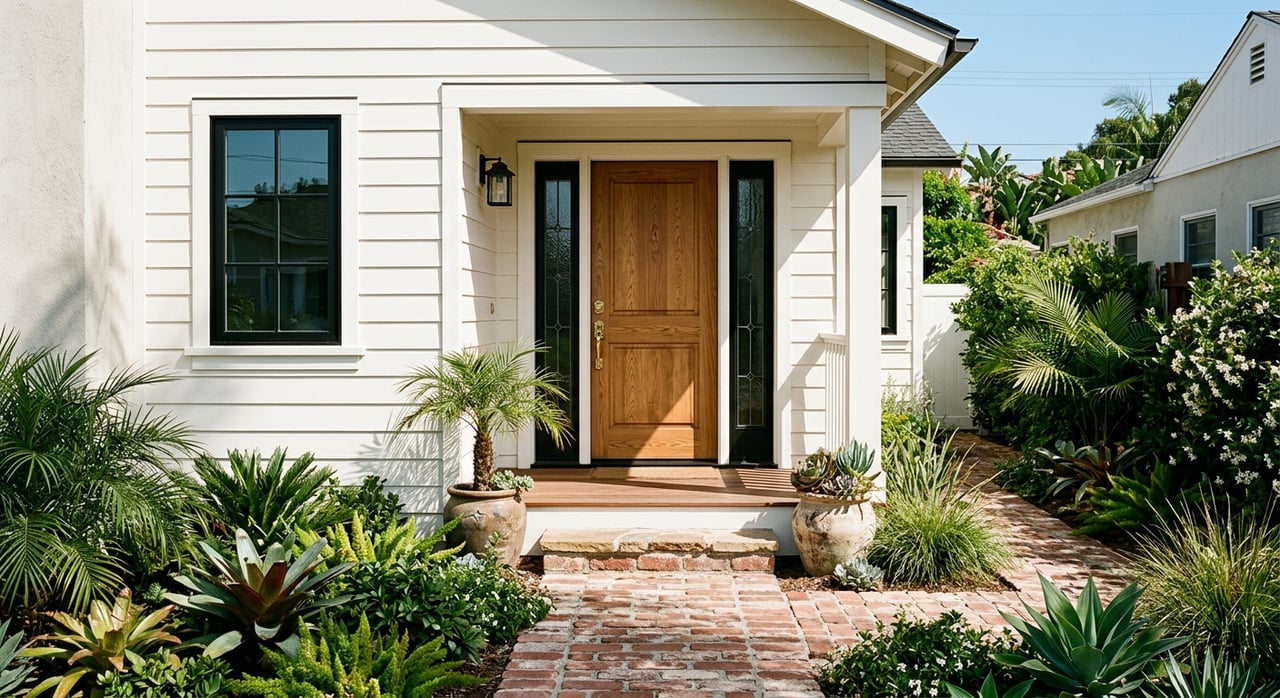
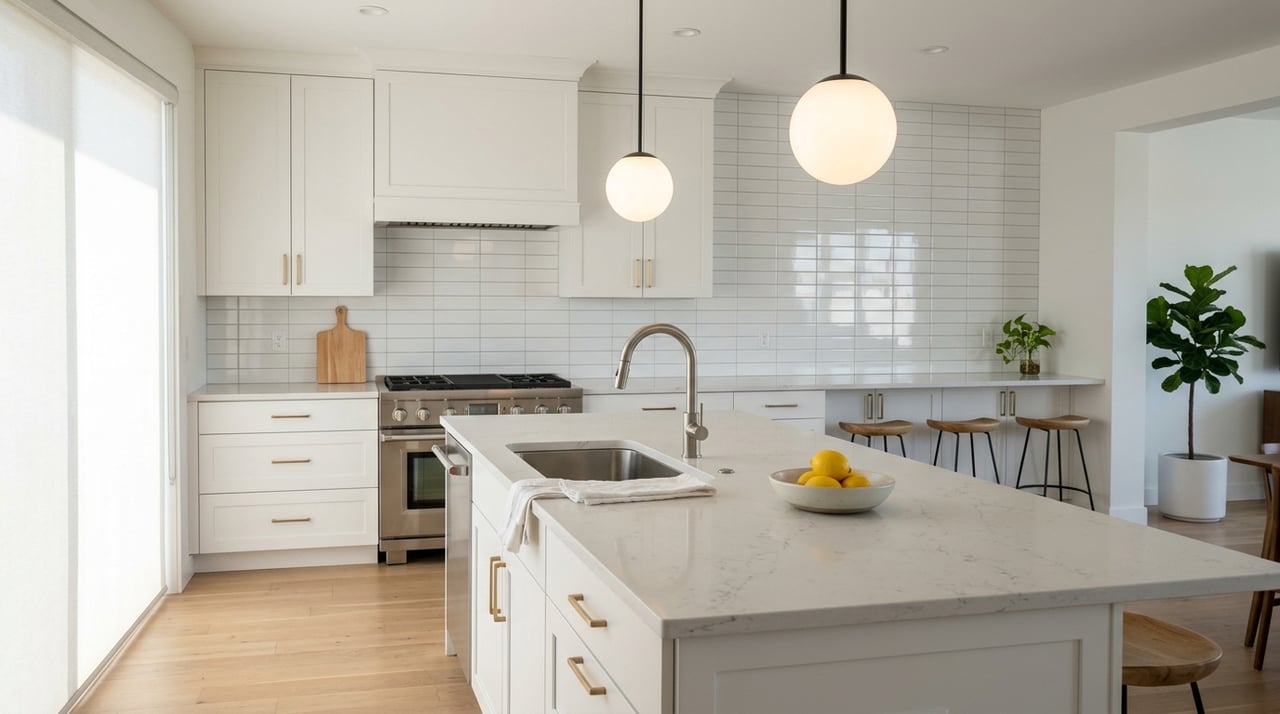
- Winter weather in DeLand is generally mild, which supports year-round showings and clean photography. January can show your home well, especially if you have fresh paint, bright interiors, and tidy landscaping.
- By March, curb appeal often improves with spring growth. Highlight your yard, outdoor living, and natural light to catch buyers’ attention in photos and at open houses.
Q1 planning checklist
Preparatory timeline
- Weeks 0–2: Meet with your agent to review a comparative market analysis, align on timing, and prioritize a punch list for repairs and staging.
- Weeks 2–4: Complete repairs, paint, deep clean, and light landscaping. Start staging to refine layout, color, and lighting.
- Weeks 4–5: Schedule professional photography, floor plans, and finalize your marketing assets. Confirm MLS details and showing instructions.
- Week 5 onward: Go live, host open houses, track showings, and review offers.
If you want a January debut, begin prep by November or December. If you prefer March, kick off prep in late December or January so you launch with your best foot forward.
January launch tactics
- Price to stand out. With fewer listings around you, a market-smart list price can catch motivated winter buyers. Consider a slightly more aggressive strategy that still sits within your comps.
- Lean into digital. Use high-quality photography, video, and virtual tours to reach seasonal residents and relocators who shop from a distance.
- Offer flexible access. Accommodate out-of-town buyers with expanded showing windows. If you can, allow weekday and early evening showings.
March launch tactics
- Maximize curb appeal. Fresh mulch, trimmed hedges, pressure-washed hardscape, and blooming planters can sharpen your first impression.
- Price for competition. If buyer demand outpaces new supply, a well-chosen price can encourage multiple offers in the first two weeks.
- Increase in-person touchpoints. Schedule open houses and weekend showings to capture the larger spring audience.
Mortgage rate watch
Buyer activity and offer strength often hinge on mortgage-rate trends. When rates rise, some buyers act quickly to lock terms. When rates fall, demand can accelerate across late winter and spring. Monitor rates in the weeks leading up to your target list date and discuss timing adjustments with your agent.
Decide your best month
There is no one-size answer. January can be excellent if your home is ready early and you want motivated buyers with less direct competition. March can work if you want a larger pool of buyers and you are prepared to compete on presentation and price.
Use these decision points:
- Readiness. If your home will be fully prepped by early January, you can go to market before supply rises. If repairs or staging need more time, March can be a smarter target.
- Local inventory. Track active listings in your micro-neighborhood and price band for 6 to 8 weeks before launch. If your segment is tight, January could shine. If buyers are flooding into your segment by early spring, March may deliver more traffic.
- Property type. Entry-level homes often sell fast in spring, while unique, historic, or luxury homes may benefit from a longer marketing window and careful presentation.
- Closing goals. Typical contract-to-close timelines run about 30 to 45 days, depending on loan type and property condition. Reverse-engineer your close date and work backward to choose a launch month.
A two-scenario plan
Ask your agent for a neighborhood-level comparative market analysis that models two scenarios: listing in mid-January versus mid-March. You want clear comps from the last 30 to 90 days, a look at active and pending competition, average days on market by price band, and recent sale-to-list ratios.
Then consider an A/B approach. Prepare in January so you are MLS-ready, and watch buyer-traffic indicators in nearby listings. Activate your listing when showing activity reaches the threshold you set together. This data-driven approach helps you capture the strongest window, whether it is January or March.
Partner with a local expert
If you want a turnkey experience, work with a design-led advisor who can manage prep and marketing from start to finish. With hands-on staging, renovation consulting, and a curated vendor network, you can elevate your home’s presentation and reduce friction during repairs, photography, and showings. Pair that with strong pricing guidance, thoughtful negotiation, and IDX-powered marketing to reach active buyers quickly.
You deserve a calm, well-orchestrated sale that respects your time and maximizes your outcome. If you are weighing January versus March for your DeLand home, connect with Deborah Skyy Saleem for a neighborhood-level plan and to get your free home valuation.
FAQs
Is January a bad month to list in DeLand?
- No. Florida’s winter season and seasonal visitors support buyer activity in January, and lower listing competition can help a well-priced home stand out.
Do homes in DeLand sell for more in March?
- Sometimes. Spring demand can lift prices, but more March listings create competition. Results depend on your price tier, local supply, and launch strategy.
Which month leads to faster closings in DeLand?
- Closing speed depends more on buyer financing, inspections, and property condition than the month you list. Motivated January buyers can close quickly, and spring buyers may too.
How should I set price for a January listing?
- Consider a market-smart price that draws motivated winter buyers while staying within comps. Strong presentation and a clean first two weeks are critical.
Should I get a pre-listing inspection in DeLand?
- It can help identify issues early and reduce surprises, but the decision depends on your home’s age, condition, and buyer expectations in your price tier.